Living in Corona Del Mar With Village Charm and Beach Access
June 18, 2026
June 18, 2026
Wondering what it’s really like to live in Corona del Mar? If you are drawn to coastal living but want something more intimate than a busy beach district, this Newport Beach village offers a very specific rhythm. From bluff-top views and sandy coves to flower-named streets and a walkable commercial core, Corona del Mar blends beach access with a neighborhood feel. Let’s dive in.
Corona del Mar, often called the Crown of the Sea, is one of Newport Beach’s village areas. According to the City of Newport Beach, it is home to Corona del Mar State Beach, the Robert E. Badham Marine Conservation Area, and scenic spots like Lookout and Inspiration Points.
What makes the area stand out is how closely daily life connects the coast and the village center. The downtown area sits just a few blocks inland, where shops, boutiques, and restaurants line both sides of Coast Highway.
Corona del Mar has a smaller-scale character than some other parts of Newport Beach. City planning materials continue to emphasize walkability and a connected main-street feel, which helps explain why the neighborhood often feels more personal and easy to navigate.
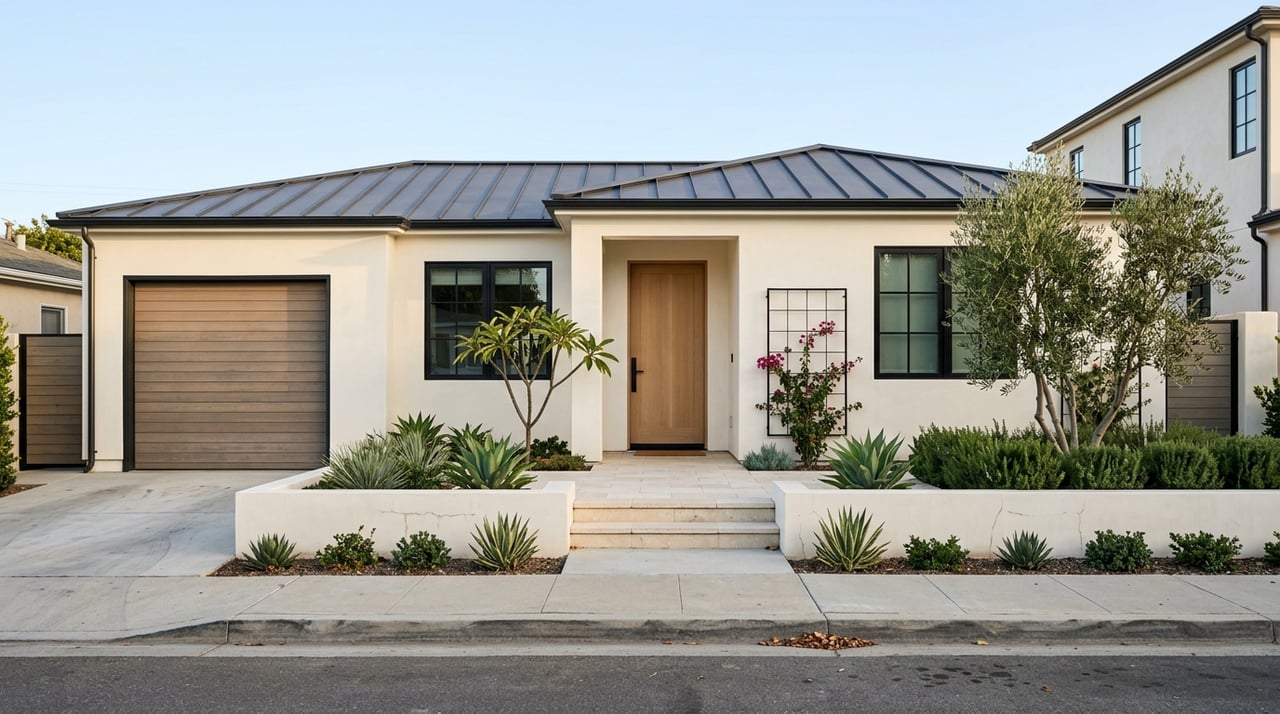
That village identity also shows up on the residential streets. Visit Newport Beach describes vintage cottages and newer houses sharing flower-named streets, which gives the area a mix of old coastal charm and updated homes.
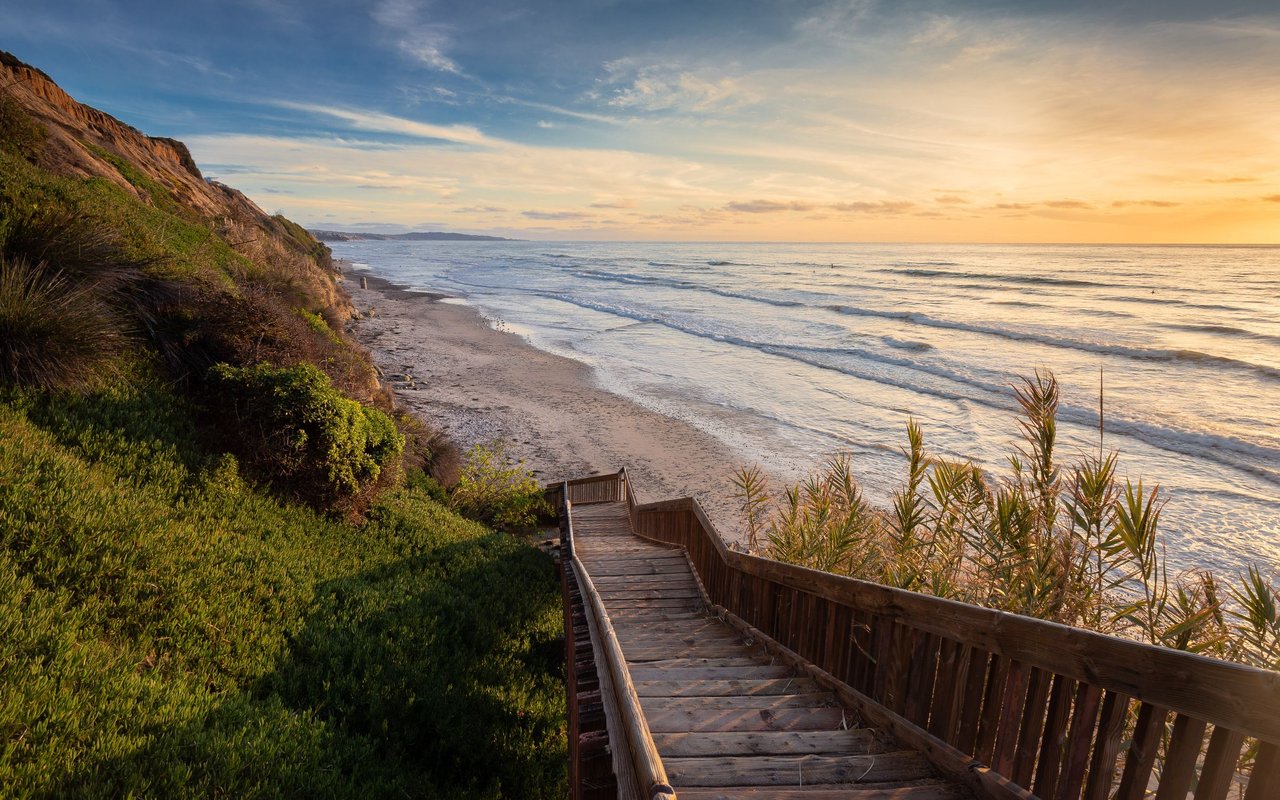
If beach access is high on your list, Corona del Mar gives you more than one kind of coastal experience. You are not limited to one large stretch of sand. Instead, you get a combination of a broad public beach, smaller coves, and bluff-top viewpoints.
For many residents, that means your routine can shift with the day. One morning might start with a walk near the bluffs, while the afternoon could mean a swim, a picnic, or time at a quieter cove.
Corona del Mar State Beach, also called Big Corona, is a half-mile sandy beach framed by cliffs and a rock jetty at the east entrance to Newport Harbor. California State Parks lists amenities that include parking, restrooms, outdoor showers, picnic areas, fishing, snorkeling, swimming, and surfing.
The beach is open daily from 6 a.m. to 10 p.m. That schedule, along with its broad amenity base, makes it a practical part of everyday life rather than just a weekend destination.
Another detail people love is the fire rings. The City of Newport Beach notes that fire rings are available on a first-come, first-served basis, adding a classic beach-day option that feels very local.
Little Corona offers a different setting from Big Corona. It is a smaller cove with rocky intertidal platform reefs, which creates a more sheltered and scenic experience.
There is also an important coastal rule to know. The city notes that tidepools south of and including Corona del Mar State Beach are within a Marine Protected Area, so collecting from tidepools is not allowed.
Pirate’s Cove sits below Lookout Point and adds another layer to the neighborhood’s coastal appeal. Visit Newport Beach describes it as a tucked-away beach with calm water, small sea caves, and stairs leading down into the cove.
This is a good example of how Corona del Mar feels different from a more linear beach district. Here, the coast is shaped by bluffs, overlooks, and small protected pockets of sand.
One of the strongest lifestyle advantages in Corona del Mar is convenience. The city notes that the downtown area is only a few blocks inland from the beach, so your day can easily include both shoreline time and village errands.
That setup creates a compact routine many buyers look for. You can spend time outdoors, then head into the commercial core for dining, shopping, or everyday stops without feeling disconnected from the neighborhood.
Coast Highway functions as the main commercial spine in Corona del Mar. Rather than feeling urban or oversized, the retail and dining environment is village-scale and closely tied to the surrounding residential streets.
Visit Newport Beach highlights a mix of local businesses and restaurants in the area, including Quiet Woman, Pirozzi Corona Del Mar, Zinc Cafe & Market, The White Dress, and On Que Style. Together, they support the idea that Corona del Mar functions as a self-contained village, not just a place people visit for the beach.
Sherman Library and Gardens adds another dimension to the area. The City of Newport Beach describes it as a 2.2-acre horticultural retreat, giving residents a peaceful garden-oriented setting close to the village core.
That kind of amenity matters because it broadens the lifestyle beyond surf and sand. Corona del Mar offers coastal energy, but it also has quieter places woven into everyday life.
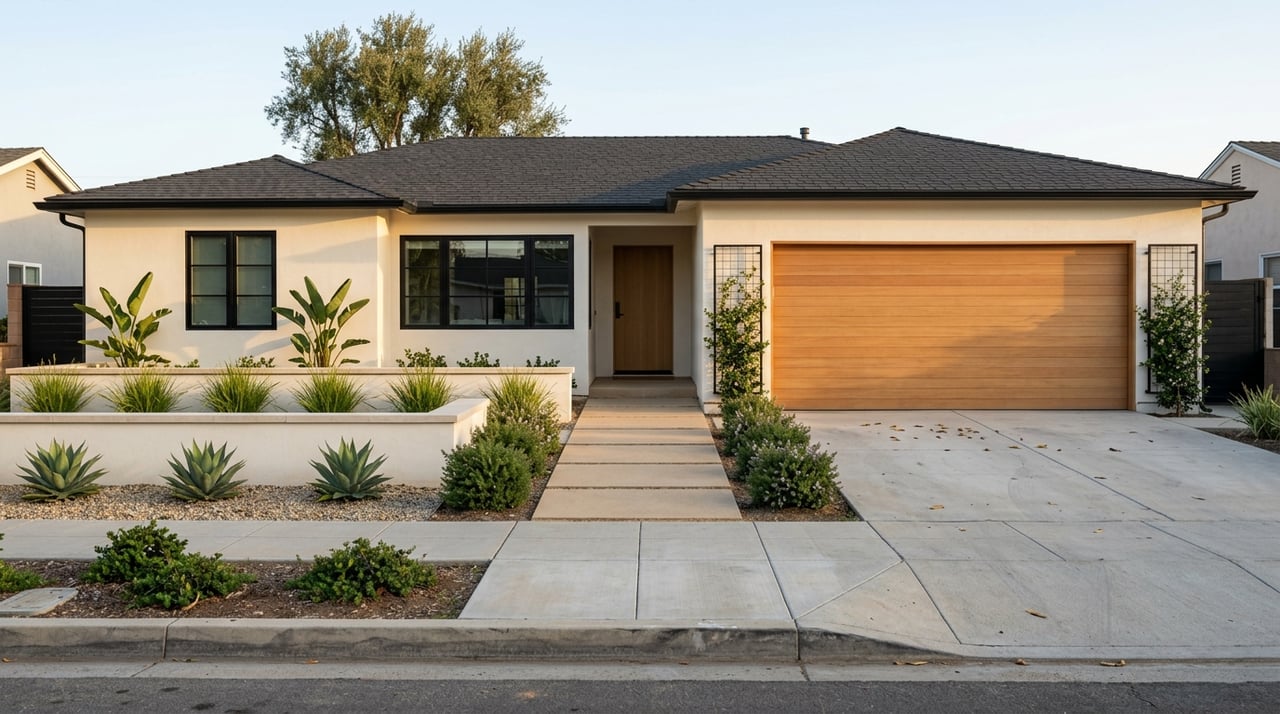
Housing in Corona del Mar does not follow one single look. Buyers will see a mix of older cottages, larger replacement homes, and some attached residential options depending on the pocket.
That variety is part of the neighborhood’s appeal. It gives the area visual texture and offers a broader range of home styles than many people expect.
The City of Newport Beach says the term “cottage” in old Corona del Mar refers to smaller residential dwellings that reflect traditional development patterns. These homes are typically one story, though some include a small second story above rear parking.
The city also notes that cottages vary widely in style and year built. So even when people talk about the classic cottage feel, they are not describing one uniform home type.
The Corona del Mar Historical Society says many older cottages have been replaced by larger lot-line homes, though historic homes still remain throughout the village. Visit Newport Beach echoes that contrast, describing vintage cottages and newer houses side by side on local streets.
If you are house hunting here, that means block-by-block differences matter. Some areas feel more rooted in the original village pattern, while others show more recent redevelopment.
Historic inventory examples in Corona del Mar include a 1912 bungalow, a 1930 Mission Revival house, and an early California adobe landmark. Those examples point to a broader architectural mix that can include cottage, bungalow, Mission Revival, and other traditional coastal California styles.
For buyers, this means you should expect variety rather than sameness. For sellers, it reinforces why pricing and presentation need to reflect the specific home and street, not just the ZIP code.
Yes. Some planned-community documents in Corona del Mar allow attached residential forms such as duplexes, condominiums, townhomes, and cluster-unit development.
Detached homes remain the most visible part of the neighborhood, but attached options do exist in certain pockets. That can be useful if you want a Corona del Mar location with a different maintenance profile or price point than a detached home.
Corona del Mar stands apart from other Newport Beach submarkets because it feels village-centered, bluff-oriented, and cove-based. That gives it a different identity than places built around a longer beachfront strip, a harbor retail setting, or a more urban mixed-use core.
The City of Newport Beach describes the Balboa Peninsula as a three-mile stretch bordered by Newport Harbor and the Pacific Ocean, with features like the Wedge, Ocean Front Walk, Newport Pier, and the ferry and fun-zone mix in Balboa. By comparison, Corona del Mar reads as more intimate and residential in feel.
The contrast also shows up when you compare it with Lido Marina Village or Newport Center. Those areas are more oriented around harbor-front shopping and dining or a high- and mid-rise office and residential setting, while Corona del Mar stays anchored in a compact beach-village pattern.
Corona del Mar can appeal to buyers looking for a coastal lifestyle with both scenery and structure. You have easy beach access, walkable village conveniences, and a housing mix that ranges from smaller traditional homes to larger updated properties.
It can also appeal to sellers whose homes benefit from block-level positioning and thoughtful presentation. In a neighborhood where architecture, lot pattern, and proximity to the village or coves can shape buyer perception, local judgment matters.
Corona del Mar is not a one-note market. A cottage, a larger lot-line home, and an attached residence can all offer very different value depending on location, condition, and how they fit today’s buyer expectations.
That is where experienced guidance can make a real difference. With decades of coastal Orange County experience and a construction and remodeling background, Troy Davis brings a practical lens to pricing, preparation, and representation in nuanced neighborhoods like Corona del Mar.
If you are thinking about buying or selling in Corona del Mar, a clear local strategy can help you move with more confidence. To start the conversation, reach out to Troy Davis.
Stay up to date on the latest real estate trends.
With a background in construction, decades in real estate, and experience across everything from first homes to complex transactions, I bring a practical, hands-on approach—so you’re not just guided, you’re properly represented.
THE AGENCY REALTY
[email protected]
(714) 264-1334
OPEN DAILY: 24 HOURS
TROY DAVIS | CA DRE# 00907901
THE AGENCY REALTY, INCORPORATED | CA DRE# 01966244
2211 TUSTIN AVE NEWPORT BEACH, CA 92660